
Artificial grass benefits homeowners in a number of ways.
As well as removing the need to water your lawn, artificial grass also removes the need for time-consuming lawn maintenance. So instead of spending the weekend mowing, feeding and watering your garden, you can enjoy it again with friends and family.
What do you think?
Take a look at the overview we've put together: it shows the advantages of artificial grass.
How artificial grass benefits you
Lawn health
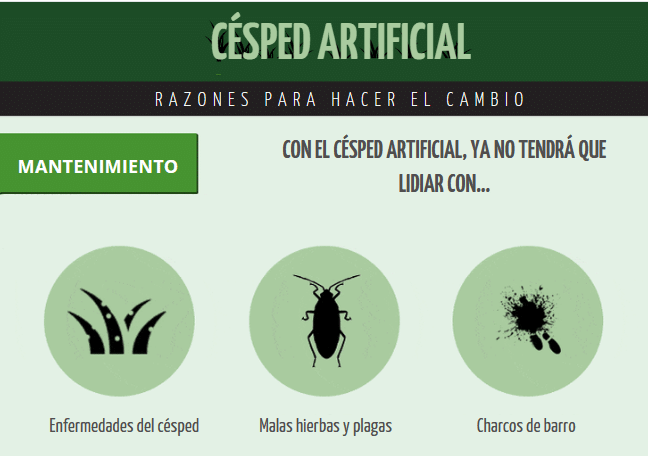
One of the most common pain points that artificial grass solves is the constant attention that natural grass needs.
A natural lawn is prone to diseases such as Rhizoctonia, which will take your time, money and attention to fight off while keeping your lawn healthy and looking good. This particular disease is just one of many types of fungus your lawn may face, depending on your local climate and how you look after it.
Lawn care isn't as simple as it looks: mowing height, the amount of water and the amount of feed you give your lawn all determine whether it attracts disease. If you spot a brown patch on your lawn, it may already have this disease, and you would need to treat it with the fungicide of your choice.
Who wants to do that?
Artificial grass isn't susceptible to these diseases, so your lawn will look great with minimal maintenance.
Weeds and pests
You've most likely seen an advert or two for products designed to kill the weeds and pests that destroy natural lawns.
This is another common problem that artificial grass solves, as it has a weed-proof base and doesn't attract the pests that natural grass does.
Why?
Natural grass gives weeds the soil they need to grow; artificial grass doesn't.
Natural grass attracts worms and other insects that thrive in natural soil. Insects attract more insects and, in some cases, larger pests such as rodents or snakes.
Synthetic grass doesn't have the natural base that weeds and pests need to thrive, so that's one less problem on your hands.
Fewer problems means less maintenance time.
Mud and puddles
Even if you live in an increasingly dry area, your lawn can turn muddy and form puddles after you run the sprinklers.
If you have a dog, this can mean mud being tracked into the house.
OK, it might be cute the first time... but that wears off the longer you spend cleaning mud and dirt out of your home.
When it rains, natural grass tends to flood, and this affects your lawn's health. Like most people living in drought-hit areas, you probably need the rain... but too much water can kill your lawn. For most people this is a problem of abundance right now, but it's still worth bearing in mind.
Because artificial grass doesn't need water, you don't have to worry about mud.
If you choose higher-quality artificial grass products, you won't need to worry about flooding either, as most have built-in drainage.
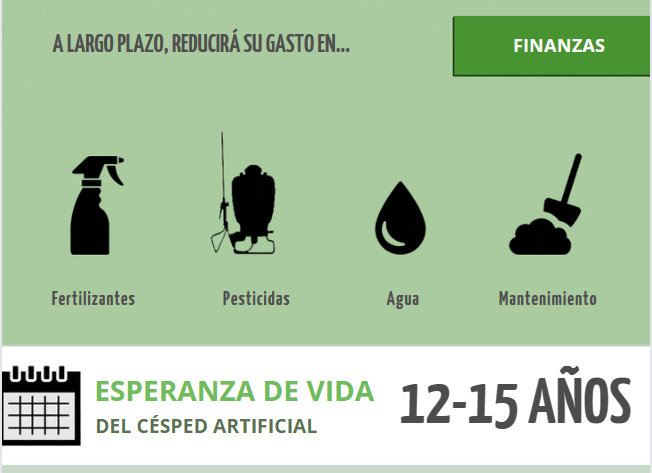
Stop buying fertiliser
When you replace your lawn with artificial grass, you get an evergreen landscape cover. This means it will stay lush and green with minimal maintenance.
So you'll no longer have to spend money on expensive fertiliser year after year.
That saved money will add up and you can put it towards other things.
No pesticides needed
As with fertiliser, there's no need to use pesticides when you have artificial grass.
It doesn't attract outside pests that harm your lawn. This also saves you money year after year and avoids the health risks of putting poison on your lawn.
After all, this is where your children, pets and guests spend their time.
Avoid water restriction fines
With droughts becoming more and more common, there's no clear sign that water restrictions will ease. If you were letting your lawn go brown until the drought lifted, you may want to think again.
However you look at it, keeping a natural lawn takes water: water is more expensive than ever and can even lead to fines if your household accidentally uses too much.
Artificial grass can help you avoid this risk completely, as it doesn't need water to thrive.
Cut down on weekend maintenance
Some people like to get out in the garden and look after the lawn. The rest of us would rather use the lawn for a barbecue or a party.
If you're tired of the time you spend maintaining your lawn, artificial grass may free you from the time and attention it needs to look presentable.
This is especially true for front lawns, where homeowners' associations and neighbours get annoyed by an unhealthy-looking natural lawn. With governments supporting water conservation efforts, homeowners can now install artificial grass in places where it wasn't allowed a few years ago.
In addition, some authorities offer incentive schemes that help pay for replacing natural grass with drought-tolerant landscaping.
Longer lifespan
If you have a natural lawn, you'll most likely need to replace it every few years. Because artificial grass isn't a living landscaping solution, it doesn't die.
This means you can go years and years without replacing it.
The highest-quality artificial grass can last between 12 and 15 years.
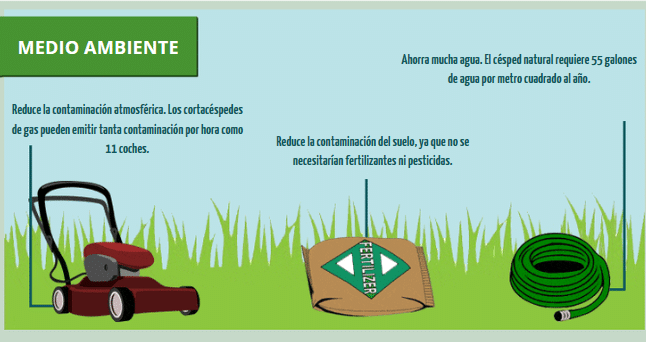
Eliminate air pollution from petrol lawnmowers
Petrol-powered garden equipment such as lawnmowers, edgers and leaf blowers produces a worrying amount of pollution. With millions of people mowing their lawns every weekend, it's worth mentioning here as we all push to tackle climate change.
Reduce soil pollution
Fertilisers and pesticides can be used to keep natural grass healthy, but they also pollute the environment and pose a dangerous threat to your family and pets. Artificial grass doesn't need these chemicals to thrive, which removes both the environmental pollution and the risk of poisoning for anyone who comes into contact with natural grass shortly after it has been treated.
Save water
Artificial grass doesn't need water, apart from an occasional rinse if you have pets.
This lets you cut your water use, avoid fines for excessive consumption and save money month after month.